
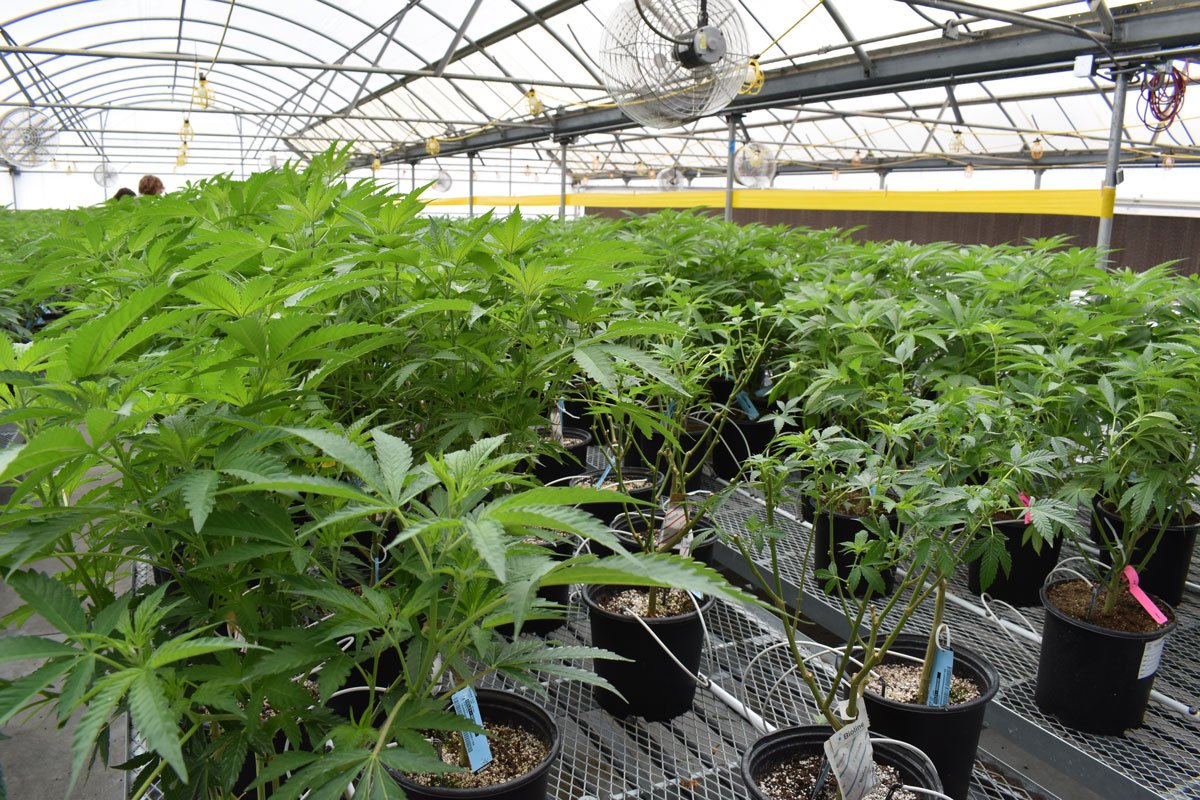
For the past nine years, due to a 2017 County moratorium, new cannabis-related businesses have been prohibited from opening shop in unincorporated areas.
The moratorium will be officially lifted if an innovative program, the Socially Equitable Cannabis Program, is approved by the County Board of Supervisors at its Sept. 2nd meeting, providing dispensary, manufacturing, and cultivation licenses for unincorporated areas, i.e., communities that don’t have a mayor or city hall and are, instead, governed by the County Board of Supervisors. (Examples include: Alpine, Bonita, Bonsall, Borrego Springs, Boulevard, Campo, Descanso, Dulzura, Fallbrook, Guatay, Jacumba, Jamul, Julian, Lakeside, Lincoln Acres, Pala, Pine Valley, Ramona, Rancho San Diego, Rancho Santa Fe, Spring Valley, Valley Center, and Warner Springs).
According to the County, the program is designed to help people who were harmed by the War on Drugs to become cannabis entrepreneurs. Per the program website, “The Board directed that these efforts prioritize social equity, access, and business opportunities to help rectify the disproportionate and adverse impacts on people of color and communities caused by the War on Drugs.” The program will “ensure that those negatively or adversely impacted by cannabis criminalization be provided the opportunity to successfully participate in the regulated cannabis market.”
Accordingly, the county will grant priority to social equity applicants that meet key program criteria:
You (or a family member) were arrested or convicted of a cannabis-related crime in San Diego County prior to November 8, 2016.
Or, you were deported or lost housing due to a cannabis-related conviction. And, if you’re low-income, that could help your case.
Dispensaries must be located at least 1,000 feet away from schools, daycare and youth centers, and churches. The program outlaws outdoor, cannabis-growing operations, pushing them inside – think greenhouses.
Entrepreneurs that want to set up cannabis operations in unincorporated areas but don’t meet these criteria can still apply for a license but won’t be considered social equity applicants.
Currently, there are, in spite of the moratorium, five dispensaries legally serving the cannabis needs of the county’s unincorporated areas. Why did the Board of Supervisors carve out an exception for them? Because they were classified as non-profit medical marijuana collectives prior to the County’s 2017 medical ban. The new zoning ordinances are expected to permit the five dispensaries to expand their facilities up to 10,000 square feet and to transition to selling recreational marijuana.
Here are the three dispensaries that can currently legally sell cannabis in unincorporated areas:
The equity program seems to be moving briskly through the bureaucracy towards approval. The final hurdles: the Board of Supervisors on Wednesday, Aug. 19 will review new zoning ordinances and vote whether to certify the final Program Environmental Impact Report. If the vote passes on the 19th, the Board will convene two weeks later, on Sept. 2, to vote whether to officially adopt the new zoning rules. With progressive Supervisors Paloma Aguirre, Terra Lawson-Remer, and Monica Montgomery Steppe in the majority and conservatives Joel Anderson and Jim Desmond in the minority, a 3 to 2 outcome seems likely.
In 2017, when the conservatives on the Board were in the majority, they claimed that a cannabis ban in the rural parts of the county would keep the people safe. The liberals contended, as they do today, that the moratorium fueled the growth of the black market. With the Socially Equitable Cannabis Program, the County can grant licenses for up to 372 cultivation sites, forcing the black market out of the rural backcountry and helping to ensure that cannabis products sold legally through dispensaries are lab-tested and safe for consumption. Planning groups in unincorporated parts are not convinced; they argue that the county’s equity program prioritizes political equity over their quality of life.
The San Diego County Board of Supervisors expects the Socially Equitable Cannabis Program to be fully implemented in late summer or fall 2026.
Editor’s Note: Thank you for supporting S-REPORTER, your local and independent San Diego news source!





Leave a Reply