
Overview: This article explores the future of Mission Trails Regional Park conservation including efforts by a local foundation and state agency to permanently protect the open space of East Elliott.
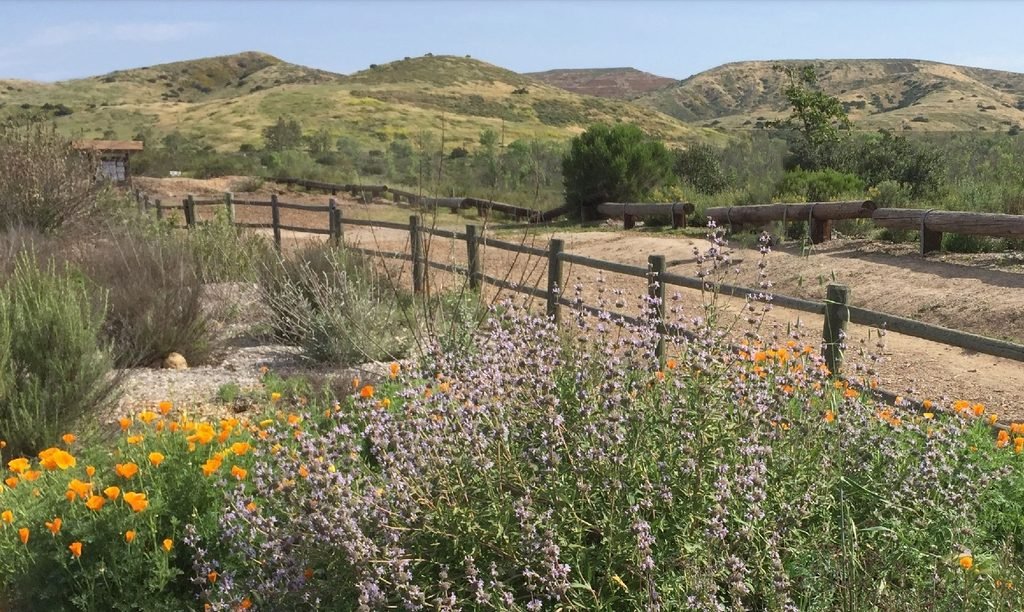
S-REPORTER has learned that Mission Trails Regional Park Foundation (MTRP) is preparing to donate almost ten acres of open space to the city of San Diego, which would expand Mission Trails Park while effectively taking the land out of developers’ hands.
In an interview with S-REPORTER, MTRP Foundation spokesperson Kinsee Morlan confirmed that the foundation has closed escrow on 8.56 acres of pristine land, adjacent to Mission Trails. The proposed donation went before the City Council’s Land Use and Housing Committee on Oct. 16 as a consent agenda item. (It was slightly overshadowed by the significantly more controversial Midway Rising agenda item). The donation passed unanimously, 4 to 0, and now awaits full council vote.
Mission Trails Regional Park conservation
How big is this? Combine this latest 8.56-acre donation with the 55 acres added to the park in 2024 and the 53 acres in 2025—the foundation has now transferred 116.56 acres to the city over the past three years, mainly through grants from the San Diego River Conservancy.
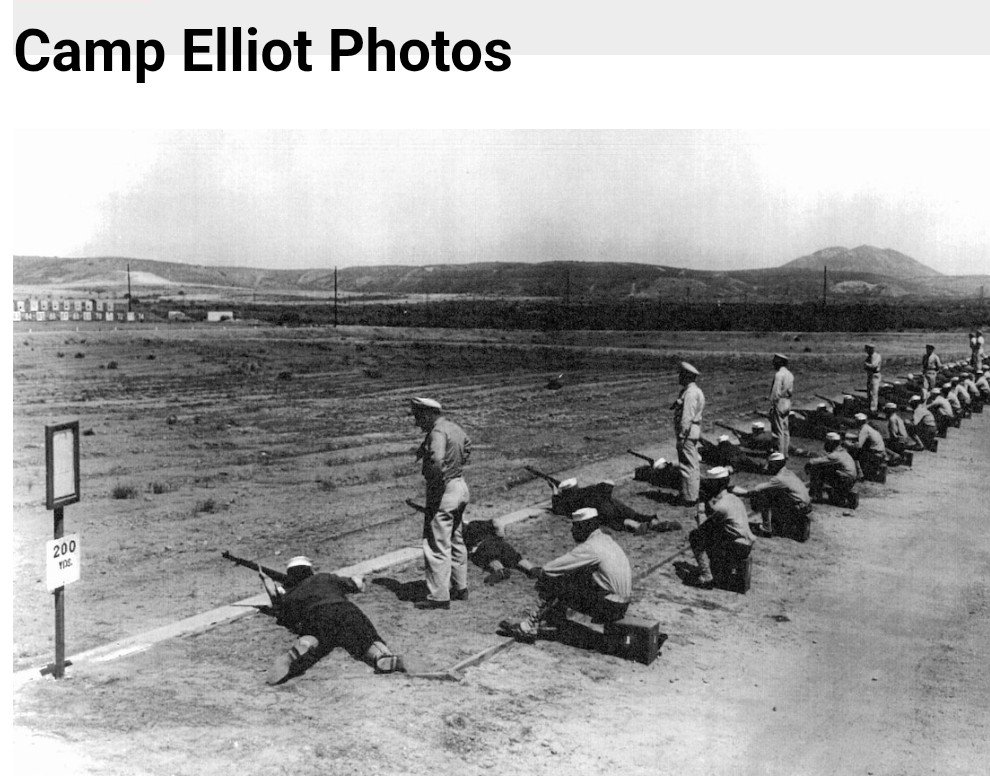
The foundation’s purchase, transfer, and preservation of these unspoiled acres is even more profound given their history. During World War 2, these same rugged mesas and deep canyons housed a military base in East Elliott, located on the eastern portion of the 52, by Santee. More on Camp Elliott later.
Why should San Diegans care? “Once undeveloped land like this is developed, we can’t get it back,” said Morlan, who serves as the foundation’s communications and external relations manager. “Every additional parcel helps us create a larger, more connected protected landscape for wildlife and for future generations of San Diegans.”
Vegetation and wildlife
Under the terms of the donation, the city must maintain the properties as open space in perpetuity and incorporate them into the city’s Multiple Species Conservation Program. Mission Trails Park is home to Diegan Coastal Sage Scrub and seasonal clay vernal pools, which provide critical nesting grounds for the California gnatcatcher and the endangered San Diego fairy shrimp. “This summer, we even had a Mountain Lion moving through Mission Trails, which is such a powerful reminder that these connected open spaces really matter,” she said. “Animals like mountain lions need room to roam, and every acre we can protect helps preserve the larger habitat network they depend on.”
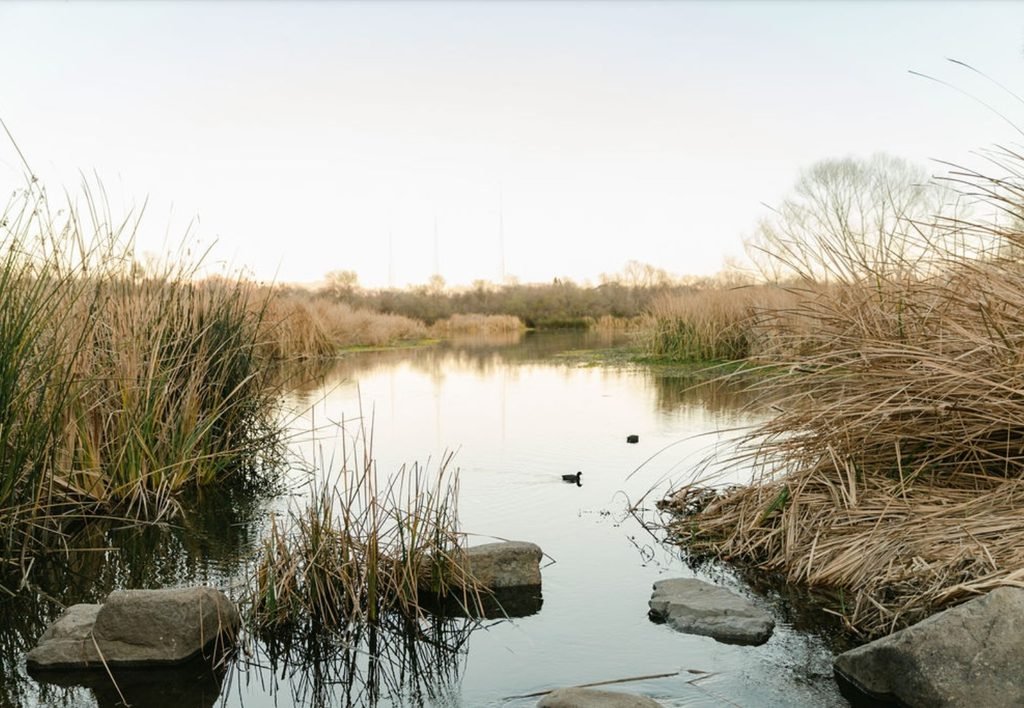
Exiting from the 8 onto Mission Gorge Road, you pass strip malls, auto shops, and fast-food chains. When you turn onto Father Junipero Serra Trail, the environment changes. The granite rocks of Mission Gorge emerge, jutting above the San Diego River. This is the entrance to Mission Trails Park.
East Elliott encompasses 2,212 acres of open space. According to the city’s website, native vegetation includes sage scrub, chaparral, native grassland, and oak and sycamore woodland. East Elliott, it says, is “one of the largest and biologically most important remaining open space areas in San Diego with a number of endangered and threatened wildlife species.” Of East Elliott’s 2,212 acres, 490 are held by private individual investors. Many of them purchased the land in the 1960s for home lots after the federal government closed Camp Elliott.
Acquiring and donating land
“Land acquisition is often a long-term effort,” noted Morlan. “Parcels become available at different times, property owners have different plans and funding has to come together.” The foundation doesn’t keep the land long-term. Their tactic is to buy it, hold it temporarily, and then donate it directly to the city of San Diego.
Because the MTRP foundation is a nonprofit organization, land acquisition depends on philanthropy, grants and strong public-private partnerships. The San Diego River Conservancy, an independent state agency, has, to date, provided $3 million with which the foundation has purchased land that is incorporated into Mission Trails Park for permanent conservation. “We are incredibly grateful for that partnership because it allows us to act when important properties become available and protect them for future generations,” she said.
The foundation is also supported by individual donors and other foundations that believe in Mission Trails Regional Park conservation.
Not for the public now
Morlan said the 116-plus acres the foundation’s donated to the city over the past three years won’t be publicly accessible anytime soon. Protecting the land and its biodiversity is the first order of business. Once enough “contiguous parcels have been acquired, the city would be responsible for creating any trail system in the area,” said Morlan. But this is “likely years away” given how much land still remains in private hands. Because East Elliott is still a fragmented patchwork of private land parcels, the city must acquire more contiguous space before building hiking and biking trails.
The pristine landscape today stands in stark contrast to its tumultuous past. During World War 2, East Elliott was home to Camp Elliott, a sprawling 32,000-acre U.S. Marine Corps and Navy facility that housed and prepared more than 50,000 troops for war. Because of its heavy munitions range, still today, U.S. Army Corps of Engineers must monitor the area for unexploded ordnance hazards.
If this land could speak
East Elliott’s violent backstory makes protecting this land from further assault by man a heroic endeavor.
Morlan said it best: “A place that once served a very different and very intensive human purpose has had decades to recover. And today we can look at it and say: this land has value simply because it is left open and wild.” The ability to recover—she spent a moment reflecting on what that means. “To me, that is one of the most hopeful things about conservation. Landscapes can recover, and we have the ability to make decisions now that will protect them long after we’re gone.”
For more information on Mission Trails Regional Park conservation, visit the Mission Trails Regional Park website.
Editor’s Note: Read “The War on San Diego’s Coast.”
S-REPORTER: Your source for San Diego news.
Hyper-local. Hyper-active. Hyper-human.





Leave a Reply