
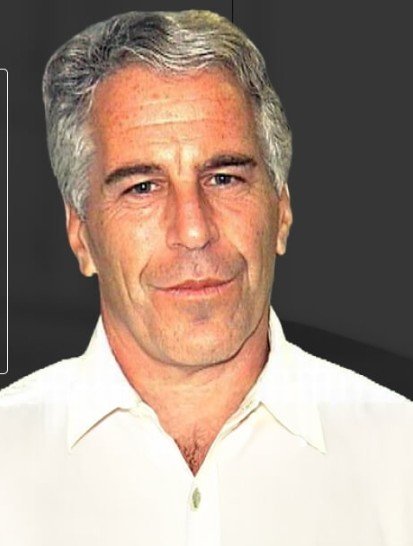
Two men affiliated with the University of California, San Diego, were mentioned in the notorious Epstein email troves, three million pages of which were released by the Department of Justice on Jan. 30.
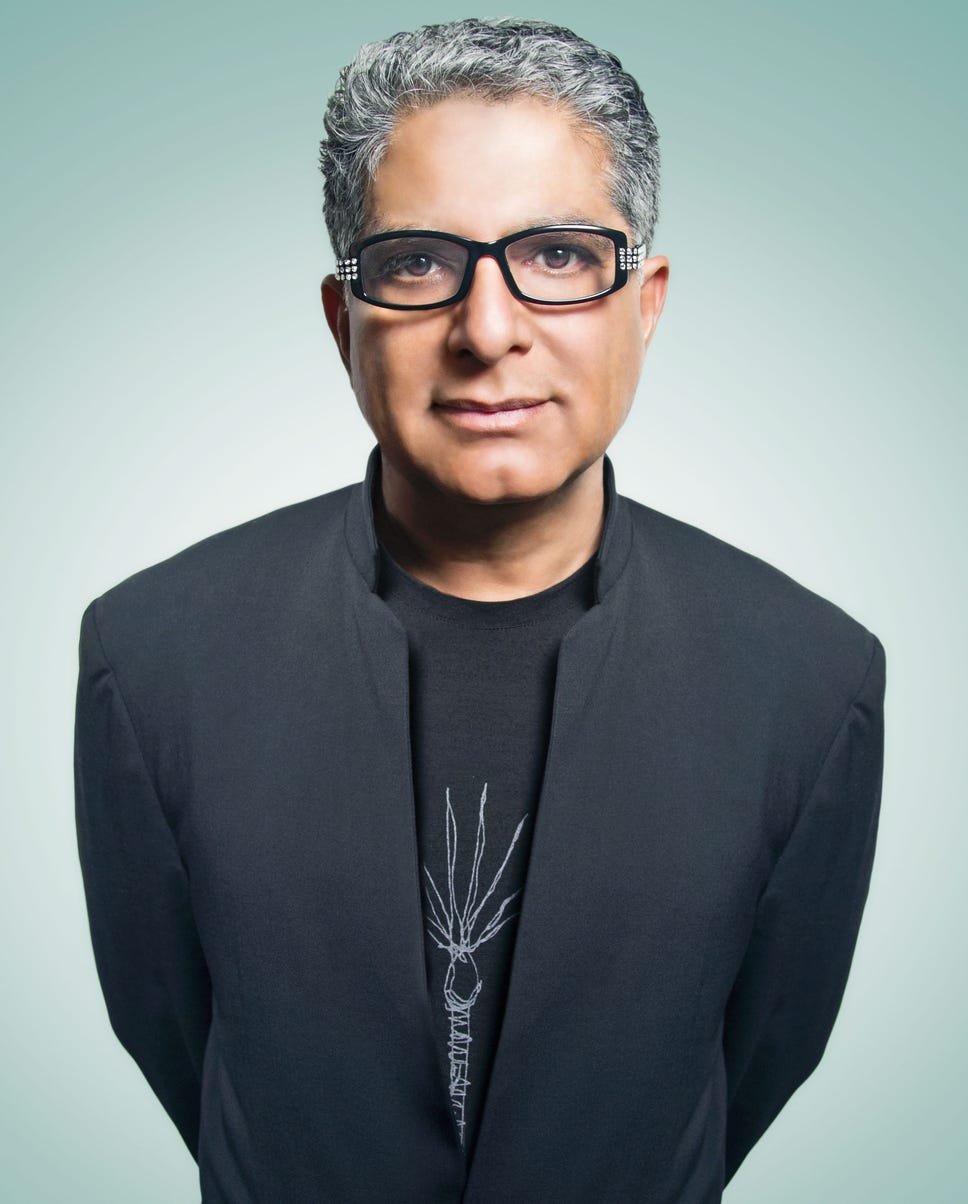
The email exchanges indicated much more than “guilt by association” but a concerted collaboration by new age guru Deepak Chopra and VS Ramachandran, director of UCSD’s Center for Brain and Cognition, to funnel $25,000 of tainted money to a UCSD psychology lab – a modest donation but just the beginning. The emails indicate that Ramachandran and Chopra were exploring how UCSD could get millions out of Epstein, like Harvard had done.
Because of cuts in federal research grants, universities and research labs are increasingly dependent on private individual donors. Researcher-donor relationships are generally not a good thing, but administrations have to police themselves. UCSD says it can be trusted to police itself.
A Closer Look: Dive Deeper
Chopra is said to have introduced Epstein to Ramachandran, whose research at the time was devoted to studying autistic savants. In one email, dated Sept. 25, 2017, Ramachandran wrote to Chopra that he does not “have a problem with” Epstein funding his lab – a seemingly dismissive and defiant posture to take given the magnitude of the pain that Epstein had wrought.
As the UCSD Guardian exposed, emails indicate Epstein directed his accountant to send $25,000 from his private foundation to the University of California Board of Regents to fund Ramachandran’s research. Epstein appears to have sidestepped normal protocol, sending the check not to the UCSD Foundation but directly to UCSD’s psychology department. According to the UCSD website, “the Office of Gift Services, a division within the Advancement Services unit, is the designated authority…”to accept, record, and receipt all charitable contributions made to UC San Diego and the UC San Diego Foundation. No other campus department is authorized to officially accept private gifts on behalf of UC San Diego.”
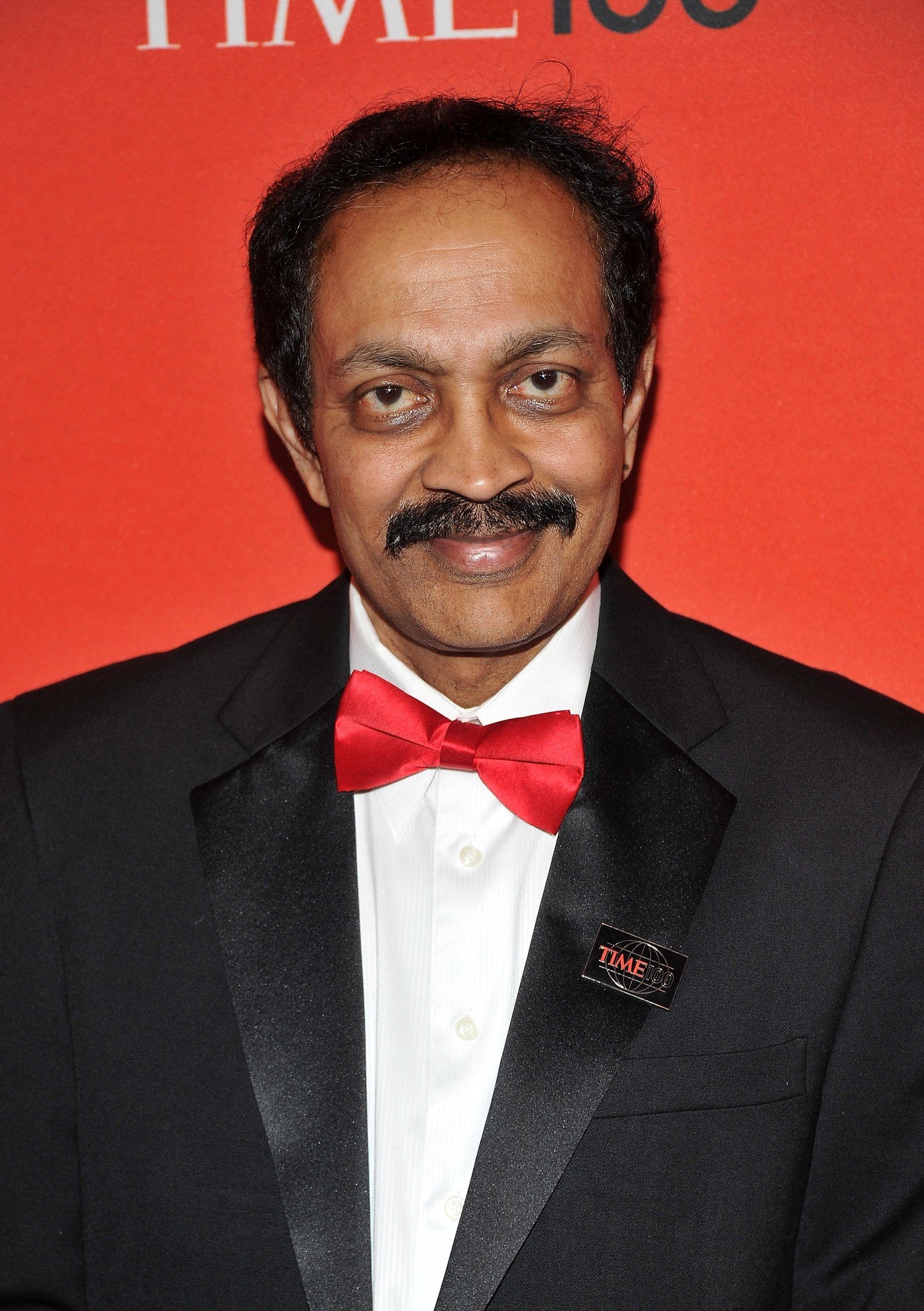
Ramanchandran perhaps surmised that $25,000 was a mere pittance for Epstein and he could get much more out of him. After all, Epstein gave $9 million to Harvard between 1998 and 2008, and MIT, $850,000. In another email, Ramanchandran wrote to Chopra wondering if Epstein could do something in the neighborhood of “500,000s to 3 million.” At that level, Epstein would have essentially owned the department, like he did at Harvard, where the non-academic was granted extraordinary access and influence—even getting his own on-campus office.
Ramachandran’s ties to Epstein date back to 2009. Chopra and Epstein’s conversation continued through Oct. 5, 2017. Following the release of the flood of Epstein emails, UCSD severed ties with Chopra, ending his voluntary, non-salaried clinical professor affiliation. Chopra’s fate was probably sealed when he pressed SEND on an email for Epstein in which he stated, “God is a construct. Cute girls are real.” The tenured Ramachandran faced no repercussions from what I can tell. The university stated that “any association with [Epstein] is regrettable” and emphasized that the crimes he committed were “horrific”. The administration framed the problem as an institutional screening failure.
Scrutiny
Meanwhile, Bill Gates told lawmakers earlier this week that he didn’t apply “the scrutiny I should have.” At UCSD, Epstein and Ramanchandran managed to sidestep scrutiny. It seems this is an academia-wide problem – scrutiny needs to be scrutinized. Organizational values are there to guide employee decision making but are pretty hard to enforce, especially when the people violating said values are institutionally powerful players. For many employees, self-preservation in the form of silence and “being a team player” and not being seen as “difficult” trumps the value of speaking out against ethical lapses. Dr. Ramanchandran – he’s a pretty intimidating-looking academic. If I’m a 25-year-old employee in the UCSD Foundation office, I’m not taking him on. I don’t think most employees want that drama in their lives.
The ends
The ends justify the means…This is the argument that studying autistic savants, in the case of Ramanchandran, was of such over-riding importance that it justified amoral, unprincipled decision making. This school of thought would argue that the possibility of research breakthroughs, which would benefit the so-called greater good, trumps moral misgivings about collaborating with a criminal. They can easily rationalize it: “You care about the optics. We care about the future of humanity.”
Gates was also in the “ends justify the means” camp. His global health work is probably the most important thing in his life and, he hopes, will be his legacy. If he could raise billions from Epstein, moral qualms would take a back seat. As he told the House Oversight Committee, “I felt that getting billions of dollars for global health was worth” the moral compromise.
How Epstein money was able to fly under the radar without any institutional checks or balances – oversight – is sort of baffling. I’m still not clear on how a private individual who devoted a good chunk of his life to robbing girls of their innocence and causing them lifelong trauma infiltrated the university with his globs of money. We can only hope that UCSD has taken appropriate measures to ensure that this sort of thing doesn’t happen again.
Editor’s Note: Read about the Trump confidant with San Diego roots.
Thank you for supporting S-REPORTER, your source for independent, hyper-local San Diego news.





Leave a Reply