
Scholder gets 21 years while Cravens is denied parole
When we think of San Diego, we tend to think of the coastal lifestyle: A glass of wine in Del Mar, a beer in PB, a breakfast burrito in OB, a stroll along elegant Prospect Avenue in La Jolla, family time at the Cove.
But there is another side, a rough around the edges and more violent side of San Diego that was always there even if we couldn’t see it.
When I interviewed Bill Fitzmaurice about a story for The San Diego Reader, the former president of the WindanSea Surf Club recalled arriving with his family in La Jolla in the early ‘70s. He was taken to La Jolla Shores by a friend, who cautioned him: “Bill, if you’re going to survive here, you got to know a couple of things. You’d better think of La Jolla like it’s an insane asylum, and the walls fell down and nobody left. And if you can get your brain wrapped around that, you just might survive here.”
In the ensuing years, as San Diego’s beach communities became more gentrified and upscale and image-conscious, the “riff raff” was largely swept under the rug and out of sight—at least on the surface.
But there’s still remnants of that hardcore element today throughout the region, especially in parts of Pacific Beach, Bird Rock, Oceanside and Ocean Beach, where the Hells Angels have been a presence since the 1970s. For every Chas Smith and John Mireles there is a Troy Andrew Scholder and Brent Cravens, whom you’re about to meet, both previous members of San Diego-based gangs and both now in prison for acts of brutal violence that began at San Diego beach bars.
Troy Andrew Scholder
Sentenced earlier this month to 21 years in prison, Troy Scholder was a longtime leader of a local Hells Angels motorcycle gang. On June 6, 2023, he was out partying with his fellow marauders in Ocean Beach when he learned that a young Black man had attempted to talk to one of his compadre’s girlfriends at an OB dive bar (Cheswick’s West on Newport Avenue, favored by bikers, now under new management.) This was deemed unacceptable by the avowed White Supremacist Scholder who, witnesses testified, hurled racial insults at the three victims—all Black males, ages 19, 20 and 21—telling them they didn’t belong in the neighborhood and chasing them along Newport Avenue. (A far cry from Cameron Crow’s sentimental depiction of Ocean Beach in Almost Famous.)

One of the victims got away but the large posse largely led by Scholder inflicted severe injuries on the two other victims, one of whom came an inch from bleeding out, said prosecutors. Scholder (and his 16 accomplices) were arrested almost three months later and convicted of charges that, in the case of Scholder, included attempted murder and assault, along with a hate crime.
In the sentencing hearing earlier this month, Judge Francis Devane doubled Scholder’s sentence due to a prior strike conviction for his role in an April 26, 2007 violent incident that arose from a member’s decision to quit the notorious motorcycle gang. While no one likes breakups, Scholder and company’s reaction had been just a tad extreme: beating, torturing, disfiguring and, for good measure, forcing the victim – under the threat of more violence – to sign over his Harley. (In a separate but similar case, the DA’s office prosecuted the local Hells Angels president for attacking a former member who happened to be breakfasting at the busy IHOP in Clairemont. For severing ties, he would pay a big price: Instead of banana pancakes, broken bones and a shattered face.)
Scholder’s defense attorney Marc Kohnen argued that his client’s prior conviction was for something that happened back in 2007 and that Scholder had been a good boy since then—well, until that fateful June night two years ago in OB when he stopped being a good boy.
But had he in fact been living crime free during those years like his defense attorney claimed? In its own investigation, S-Reporter has learned that in 2014, Scholder was kicked out of Canada for his participation in “organized criminality” and for being “a fugitive of justice since 2011,” according to Canadian immigration authorities (The U.S. had a warrant out for Scholder’s arrest for his 2007 role in the you’ll-never-leave-me-again torture & beating that he inflicted on the former Hells Angel member.)
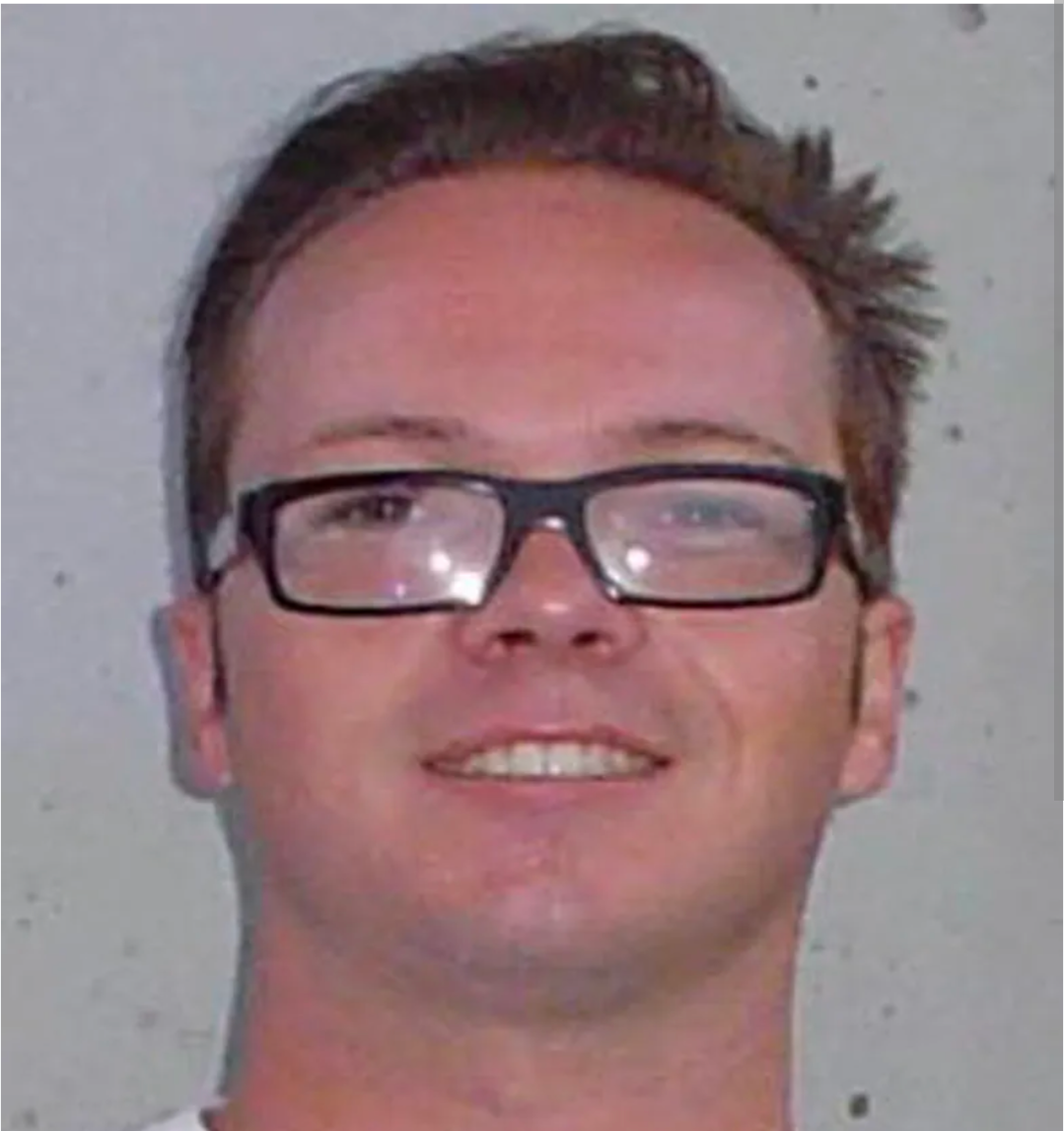
Why was Scholder, 33 at the time, in British Columbia? When Scholder was pulled over for a routine traffic stop, he had no identification and was evasive with the police. According to a reporter with the Vancouver Sun, it was his tattoos that gave him away. “An alert anti-gang cop noticed H-A-M-C across the fingers of his right hand, for Hells Angels Motorcycle Club, and D-A-G-O across the left, for the San Diego chapter.” Canadian immigration authorities believed he was there working with the British Columbia Hells Angels in a cocaine smuggling operation. On June 3, 2014, he was extradited from Canada and deported to the U.S., where he was “sentenced to one year in jail with 13 years in prison stayed,” according to the San Diego DA’s office. Nine years later, on June 6, 2023, he would lead his boys in the vicious and violent Ocean Beach attack.
There’s more. Scholder’s history in San Diego includes another lovely bar anecdote, this one in 2003, when a guy sitting next to him at yet another bar in Pacific Beach asked him to stop smoking. This led to a fight – it probably would have anyway but the fact that the man who had the audacity to ask him to put out his cigarette was Black was too much for Scholder to bear. And so, he attacked his barstool mate and, when the police arrived to arrest him, called the victim the N-word and screamed that he knew “people who would hang them from trees.” As the police took him away, he sought their sympathies, imploring one officer to “remember the Fatherland.” (While some Hells Angels members may harbor racist and anti-Semitic views, not all members are racist and not all are White.)
While Troy Andrew Scholder is hardly representative of Ocean Beach, he and his brethren – whether we like it or not – are part of its fabric, along with the granola heads, dive bars, dog walkers, surfers, and sunsets.
Seth Cravens
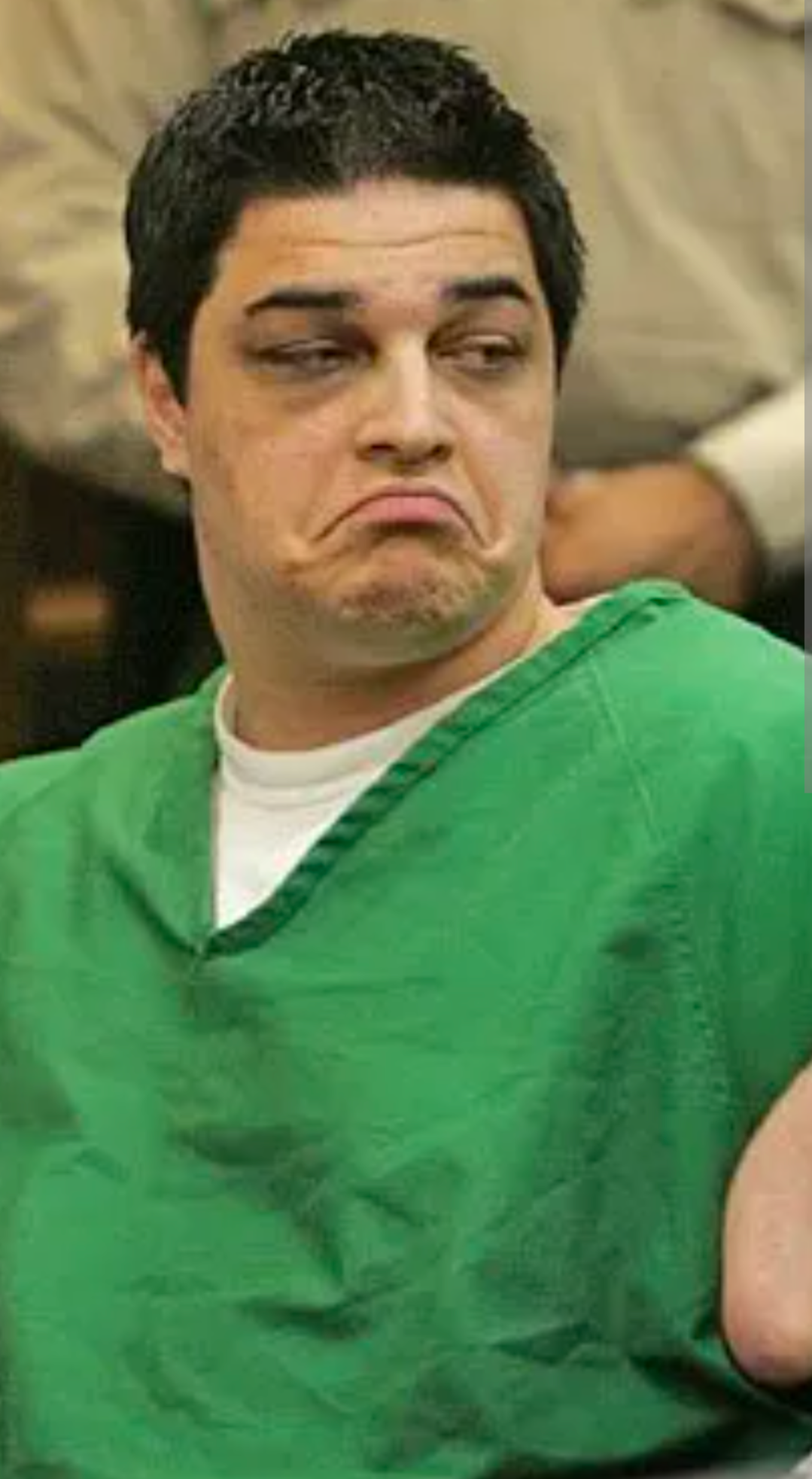
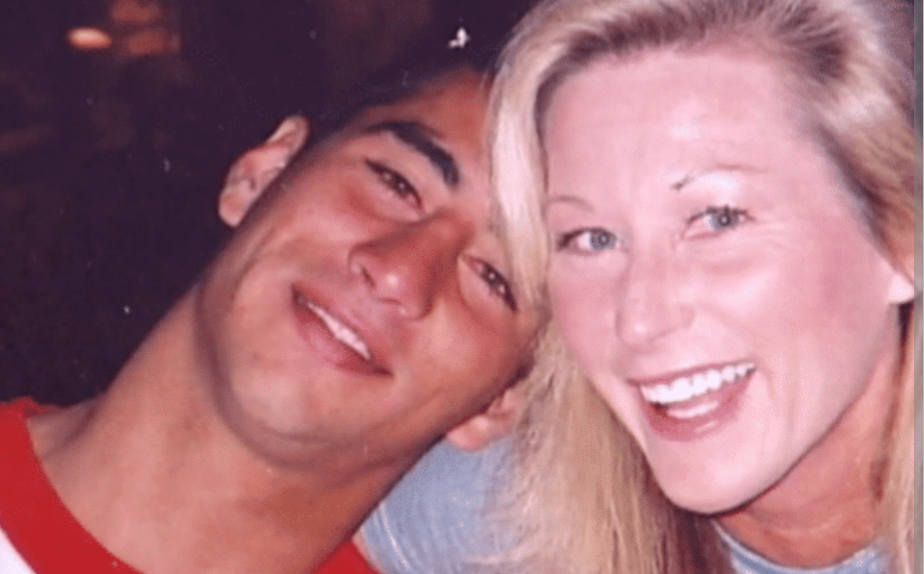
Seth Cravens – he’s also part of the fabric of our community, or he was until he was sentenced for his role in the murder of La Jolla surfer Emery Kauanui. Earlier this month, Cravens appeared before the parole board for the first time since his sentencing; parole was denied.
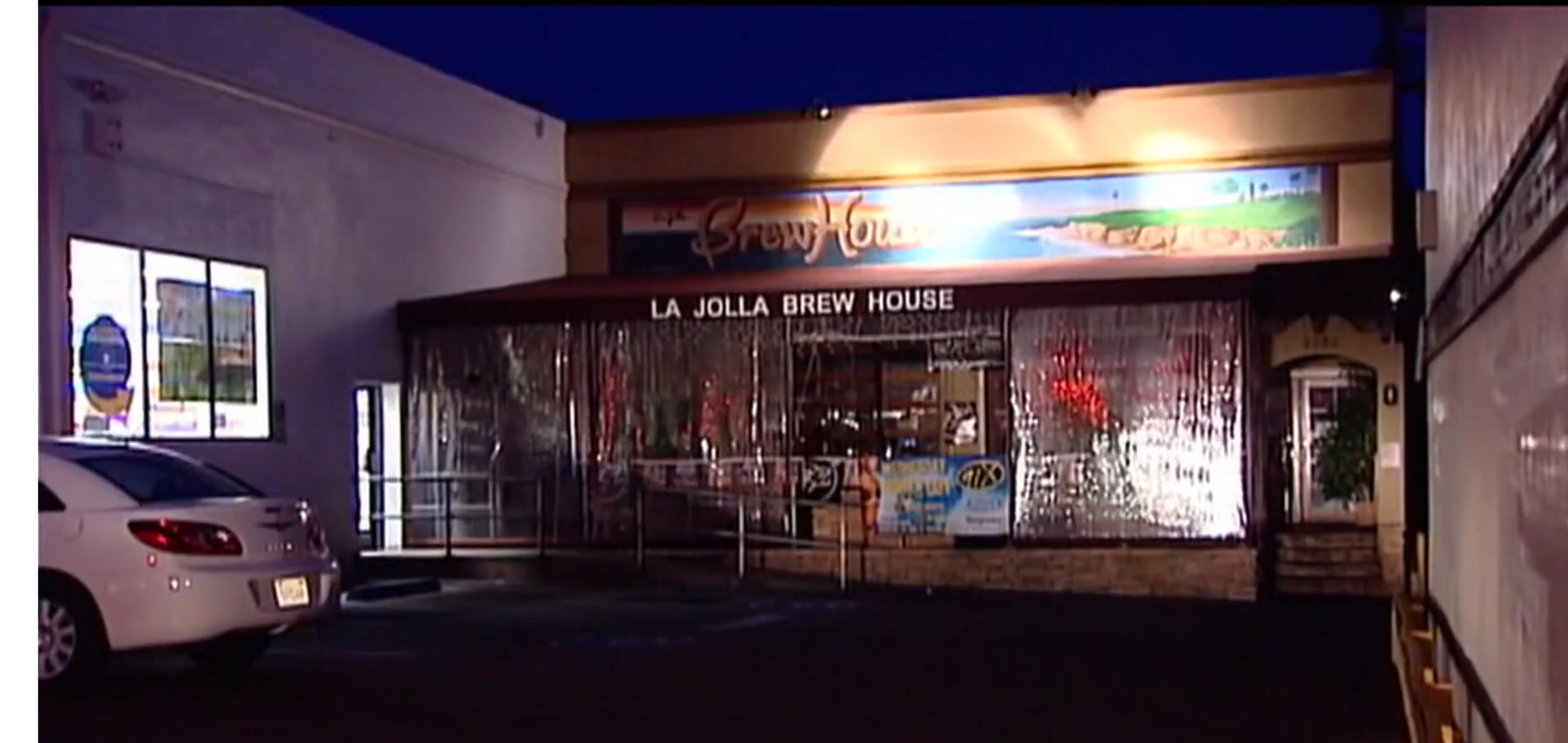
The May 23rd, 2007 attacked happened about a month after Troy Scholder had beaten and tortured the Hells Angels “deserter.” But instead of rough and tumble Ocean Beach, it was the quaint La Jolla village, inside the La Jolla Brew House on Faye Avenue, where Cravens had gathered with fellow members of a surf gang known as the Bird Rock Bandits.
The inciting incident occurred when Emery Kauanui spilled a beer on one of Cravens’ boys – an accident, said witnesses, though there was also speculation that the Hawaiian-born surfer had drenched Cravens’ friend intentionally, miffed that the Bird Rock Bandit had been talking to his girl.
Whatever the truth may be, words were exchanged, the boys were kicked out of the bar, and the brawl intensified outside the home that Kauanui shared with his mother on Draper Avenue. The 6-foot, 225-pound Cravens delivered a punishing blow that sent the 148-pound Kauanui flying backwards to the pavement, cracking his head and eventually causing his death.
The site of this horrific attack was just a hop, skip and a jump from Windansea Beach, where Kauanui was a standout surfer and aspiring pro and where, two weeks after his murder, 300 surfers participated in a ceremonial paddle-out at Windansea in his honor.
Trying to makes sense of it
What gave rise to these dark acts in sunny San Diego? Some members of the community at the time wondered if blame laid with self-centered or preoccupied parents. Cravens was one of 13 brothers and sisters who, according to media reports, lived on Mount Soledad in La Jolla. Scholder, based on an investigation by S-Reporter, is also part of a large San Diego extended family with deep roots in Crown Point and Pacific Beach known by its members as “the Scholder clan.”
It may be too convenient to blame the parents. Youth culture has a greater sway over kids; and, along the San Diego County coast, youth culture is synonymous with alcohol and drugs. Alcohol-fueled fun can quickly lead to alcohol-fueled violence between highly strung alpha males, especially when women are peripherally involved, or when guys feel they’ve been humiliated in public.
Commonalities
Both perpetrators were in gangs that didn’t shy away from violence. For Scholder, it was the Hells Angels while Cravens and his accomplices were members of the Bird Rock Bandits, whose name refers to the wealthy coastal enclave between Pacific Beach and La Jolla. Surf gangs, you may be surprised to learn, are an actual thing. Think up the road in Palos Verdes, where the Bay Boys ruled over Lunada Bay, and in Australia, where the Bra Boys stirred up one of the worst race riots in the country’s history. “The Surfer” starring Nicholas Cage recounts his character’s confrontation with a fictional surf gang that was inspired by the Bay Boys and the Bra Boys. And, before there was the Bird Rock Bandits, there was the Mac Meda Destruction Company, a group of La Jolla surfers in the 1960s known for wild parties and antics and occasional fights. But even that was more of a joke than an effort to cause serious harm. Today, while locals may enforce a code of conduct at increasingly crowded surf spots, violent surf gangs that terrorize the community seem like a thing of the past.
Together, the beach bar attacks shine light on San Diego’s little known gritty underbelly: the pockets of xenophobia and racism that still exist, the role of alcohol in fueling violence, the lengths men will go to earn and maintain status in a group of their peers, and the need for men to do a better job of dealing with jealousy and perceived slights.
Editor’s Note: The Dateline episode “The Surfer and the Bird Rock Bandits” (Season 17, Episode 34) explores the murder of Emery Kauanui. It’s not available on YouTube but you may find it on Peacock. Here’s the show’s transcript, which is actually a good read in and of itself.
For more true crime San Diego news stories, click SIRENS at S-REPORTER.
For more on surfing, visit STOKED at S-REPORTER.
Thank you for supporting S-REPORTER, your local source for San Diego news.







Leave a Reply