
It was all about fun…until the plane crash
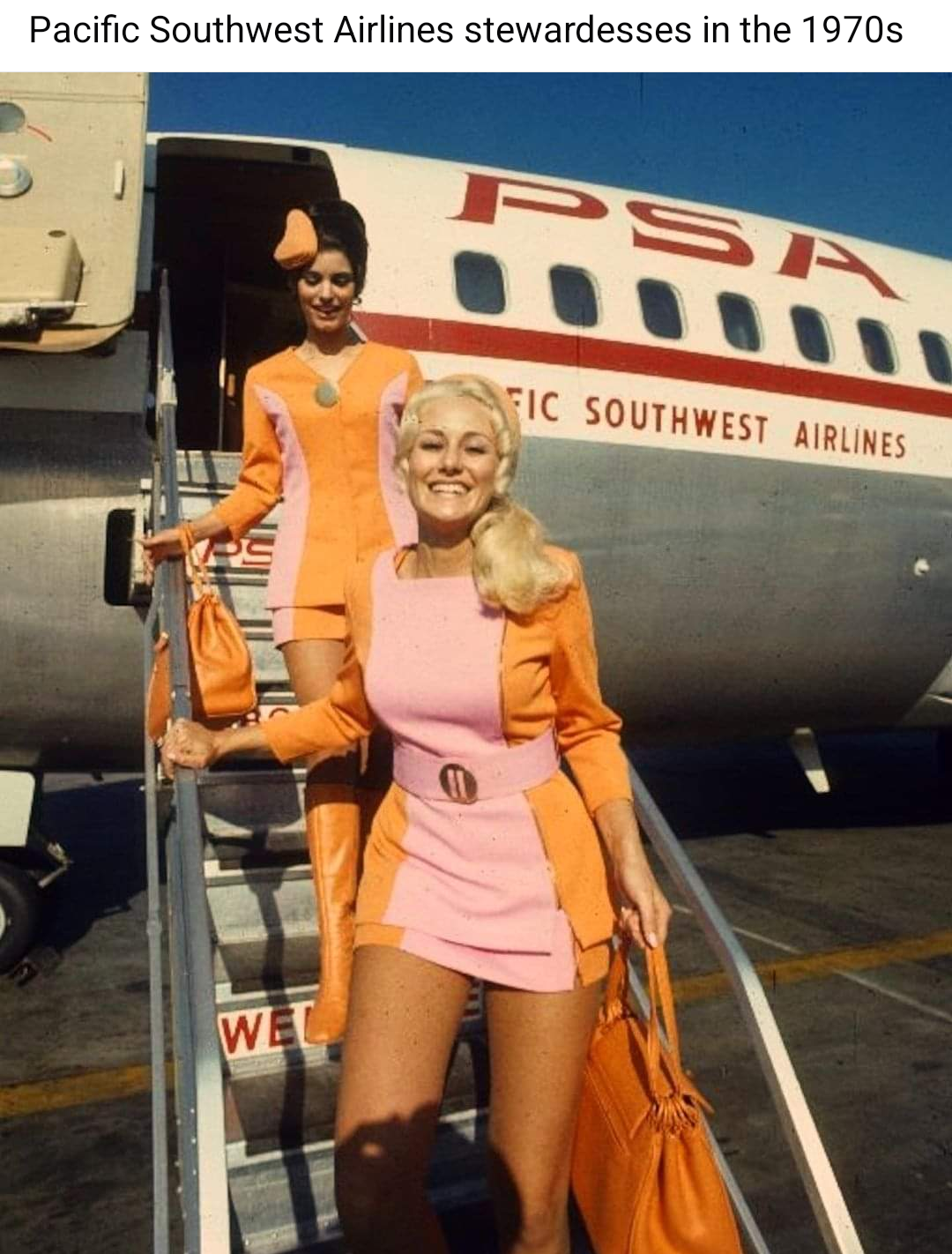
Rewind 75 years ago.
It’s May 6, 1949 and the San Diego news is all about the debut of Pacific Southwest Airlines, commonly known as PSA.
Based in San Diego, PSA becomes a major player in California and the West Coast, operating many short-haul flights primarily within California.
And it becomes an iconic U.S. airline known for its fun, casual, and colorful brand during its peak in the 1960s through the 1980s. However, a 1978 plane crash over North Park punctured that aura of fun. More on that later.
Talk about an origin story: In 1949, just a few years after the end of World War 2, PSA’s ticket office was a 6-foot by 12-foot latrine used during the war. Soon after it would become a leader in affordable travel, establishing a reputation for low fares and friendly service, as well as its distinctive smiling face logo painted on the nose of its planes.
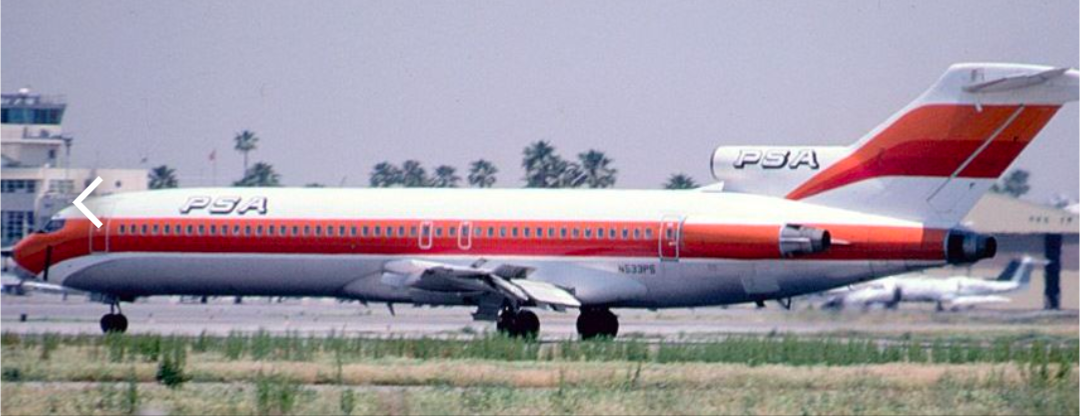
The flight attendants, known as stewardesses at the time, created a fun and upbeat vibe; they embodied the cheerful brand.
PSA was able to keep fares low by operating entirely within California, thereby avoiding federal regulations that applied to interstate flights. Their low fares made flying accessible to a larger portion of the population, earning the airline the nickname “The Poor Man’s Airline.”
The PSA Plane Crash
If PSA’s image was all about fun and cheerfulness in the air, a tragic plane crash would change the airline’s reputation.
It happened on September 25, 1978: a mid-air collision involving PSA Flight 182 and a Cessna 172 private aircraft over the North Park neighborhood of San Diego.
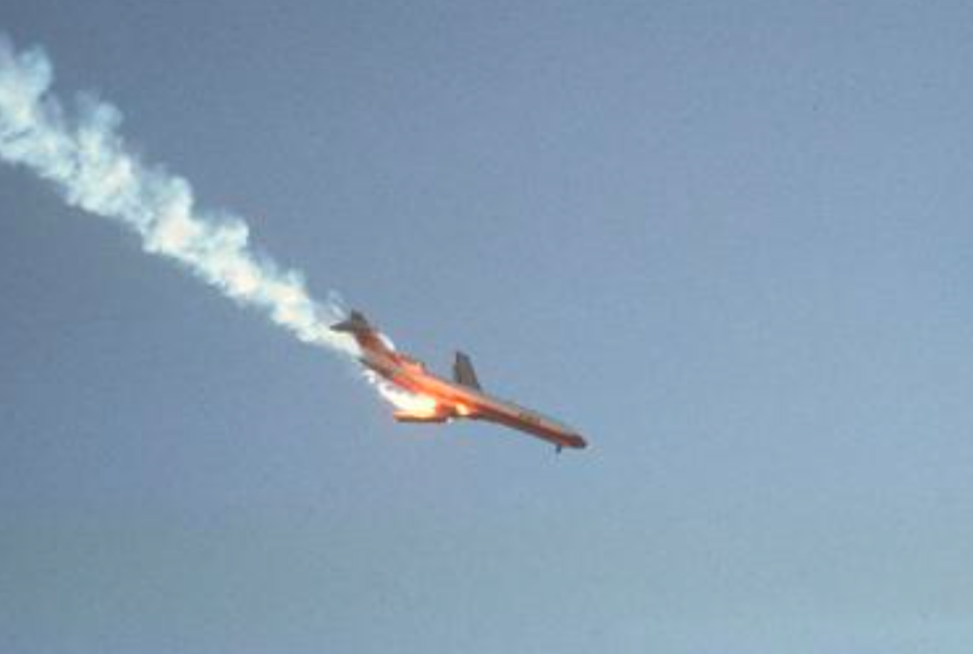
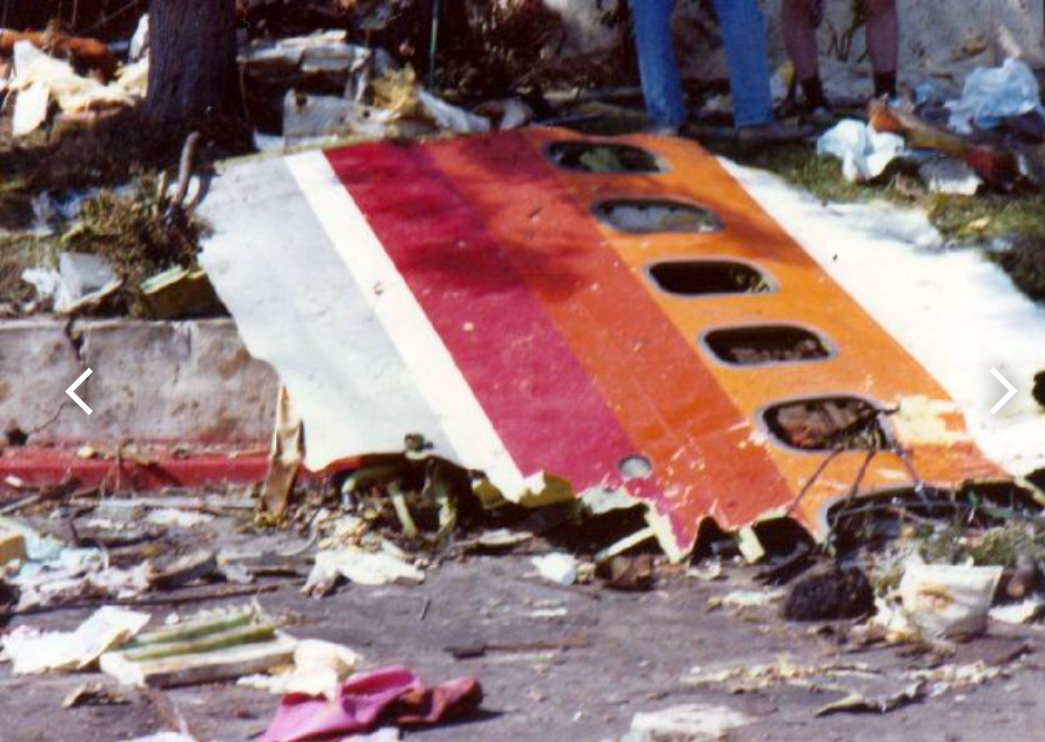
The PSA 182 plane crashed just north of Dwight and Nile Streets, and the Cessna on Polk Avenue, near 32nd Street. All 137 people on board PSA Flight 182 (including passengers and crew) were killed, as were the two occupants of the Cessna 172. Additionally, seven people on the ground were killed due to the debris and the impact of the crash in a residential area.
The disaster was one of the deadliest plane crashes in U.S. aviation history, and one of the biggest and saddest San Diego news days. I was a middle school student and remember everything so clearly. I distinctly recall it being a super hot day, but I wasn’t sure if I should trust my memory so yesterday I checked online and, yes, it was recorded as 101 degrees. I remember asking my dad to drive me to North Park, to see the site of the crash. In retrospect, it seems like a kind of morbid request on my part, but I just wanted to see it. And once we got there, I remember seeing homes that had just been obliterated. It was extremely sad and unsettling.
Here’s an overview of what happened:
Incident
PSA Flight 182, a regularly scheduled passenger flight from Sacramento to San Diego with a stop in Los Angeles, was on its final approach to Lindbergh Field (now San Diego International Airport). Meanwhile, a Cessna 172, a light aircraft, was on a training flight in the same airspace.
A collision occurred at approximately 9:01 AM. The right wing of the Boeing 727 struck the Cessna, causing both planes to crash. The Boeing, which had 135 people aboard, lost control and plummeted into the ground, while the Cessna, carrying two people, was also destroyed on impact.
Cause
The National Transportation Safety Board (NTSB) determined that the probable cause of the accident was due to pilot error. Specifically:
- PSA Flight 182’s crew failed to properly follow the traffic advisory issued by air traffic control. They lost sight of the Cessna after acknowledging that they had it in sight.
- Poor visibility and miscommunication between the PSA crew and air traffic control exacerbated the situation.
The PSA crew was supposed to ensure a safe distance from the Cessna, but the collision occurred when they mistakenly believed they had already passed it.
Aftermath
The crash was catastrophic not only for the people aboard the planes but also for the local neighborhood. Dozens of homes were damaged or destroyed in the fiery wreckage.

Editor’s Note: Watch the re-enactment here.





Leave a Reply